ERPNext Partner in Delhi NCR for Multi-Branch Operations
Connect companies, branches, warehouses, sales, purchase, inventory, manufacturing, GST, finance, CRM, and owner dashboards through ERPNext.
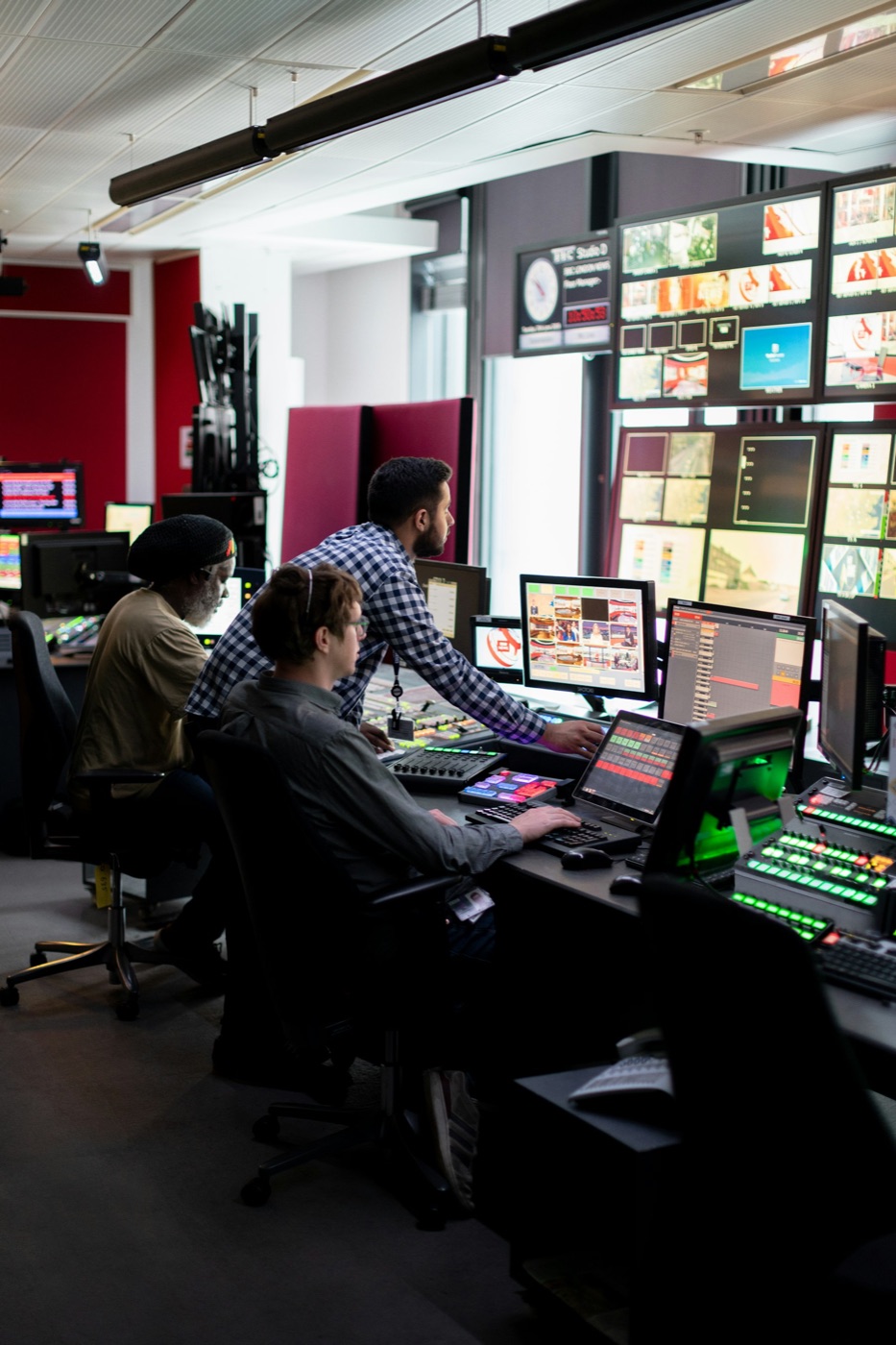
We map how your business should run before configuring modules.
What ERPNext must solve for Delhi NCR operations.
Delhi NCR businesses often operate across multiple legal entities, offices, warehouses, plants, sales territories, and state borders. ERPNext should establish shared master governance and group visibility while preserving company-level books, permissions, and accountability.
Disconnected systems are running the business
Accounting software, spreadsheets, messaging, and department tools make it difficult for Delhi NCR leaders to trust one operational and financial view.
Stock is not visible across locations
Delhi NCR teams often manage stores, warehouses, transport points, branches, and dispatch commitments without one trusted stock ledger.
Production and job work are difficult to track
BOM, work orders, subcontracting, quality, scrap, rework, and dispatch need connected controls before ERP can give real value.
Finance reports arrive after decisions are already taken
Owners need live receivables, payables, profitability, cash, and transaction and finance design without waiting for manual reconciliation.
What ERPNext connects for your business.
ERPNext is useful when it becomes your single operating backbone, not just another accounting or inventory screen. We help you decide which modules should go live first and which can wait.

Owner-ready reporting
Reports are planned around decisions: what to buy, what to produce, what to dispatch, what to collect, and what is delayed.
Accounting and GST
Sales and purchase invoices, GST transaction data, e-invoice and e-way bill touchpoints, receivables, payables, banking, and management reporting.
Inventory and Warehouse
Multi-location stock, batches, serials, barcode flows, stock ageing, reorder levels, transfers, valuation, and physical reconciliation.
Sales, Purchase, and Dispatch
Lead to quotation, order booking, purchase approvals, supplier follow-up, delivery notes, transport coordination, and billing control.
Manufacturing and Job Work
BOM, routing, work orders, material issue, WIP, quality checks, subcontracting, scrap, production costing, and shop-floor reporting.
CRM, Service, and Projects
Customer follow-up, opportunities, tickets, projects, milestones, timesheets, and team accountability in one operating view.
Owner Dashboards
Role-wise dashboards for sales pipeline, stock risk, payment follow-up, production delays, purchase commitments, and profitability.
A local ERPNext rollout should respect how your business actually operates.
For Delhi NCR groups, the implementation must balance central policy and group reporting with fast branch-level execution and clear data ownership.
Company and branch model
Define legal entities, GST registrations, branches, cost centres, profit centres, warehouses, shared masters, and intercompany flows.
Multi-state stock movement
Control transfers, transit, delivery, returns, batches or serials, valuation, reconciliation, and GST document requirements.
Sales and credit governance
Connect territories, price lists, quotations, approval limits, customer credit, order allocation, dispatch, billing, and collections.
Central versus local ownership
Set roles for master data, purchasing, inventory, finance, reporting, approvals, and exceptions across head office and operating locations.
Fixed-price ERPNext implementation packs.
Choose a path that fits your budget, scope, and customization needs. Start with standard features or get dedicated custom development hours.
ERPNext Starter Pack
Best for businesses moving from spreadsheets or Tally that can adopt standard accounting, sales, purchase, and inventory workflows.
- Core configuration on Frappe Cloud
- Standard chart of accounts & GST settings
- Guided master data import & setups
- Training & day-1 go-live support
ERPNext Success Pack
Best for growing organizations with manufacturing, complex approval flows, customized reports, or API integrations.
- End-to-end blueprint & setup
- 200 hours custom app/script code
- Data migration & UAT validation
- Extended hypercare support bank
ERP Readiness Checker
Self-assess your organization's processes, master data cleanliness, and team readiness before committing to kickoff.
- Check master data completeness
- Evaluate team resource allocation
- Identify process gaps early
- Receive custom PDF scorecard
How we reduce ERPNext implementation risk.
A production-ready ERPNext implementation needs discovery, module planning, data preparation, UAT, user training, and post-go-live support.
Business process discovery
We map sales, purchase, inventory, manufacturing, accounts, approvals, reporting, users, and current pain points.
ERPNext blueprint
You receive a practical module plan, master data approach, workflow decisions, customization list, and implementation sequence.
Configuration and controlled customization
We configure standard ERPNext first, then build Frappe customizations only where they protect adoption or business control.
Data, UAT, and training
Opening balances, masters, reports, print formats, role permissions, and department training are validated before go-live.
Go-live and hypercare
Your team gets launch support, issue resolution, adoption guidance, and AMC options after the first go-live.
ERPNext consulting with business process thinking and Frappe engineering depth.
Midocean helps companies avoid two common ERP failures: a generic setup that users reject, and uncontrolled customization that delays go-live. We start with standard ERPNext and add customization only where it improves control, adoption, or visibility.
What we clarify before proposing
Talk to an ERPNext partner for Delhi NCR, Delhi NCR.
Share your industry, current system, users, modules, and biggest operational pain. We will help you understand the right ERPNext implementation, support, or customization path.
What we clarify first
Module fitment, standard ERPNext versus customization, data readiness, implementation phases, post-go-live ownership, and accounting and gst requirements.
Start with your operating model
Jump straight into ERPNext playbooks for the workflows your team actually runs every day.
Manufacturing
BOM, work orders, shop-floor stock, quality and costing.
Trading & Distribution
Procurement, warehouses, pricing, dispatch and sales control.
Construction
Project budgets, site material, subcontracting and billing.
Healthcare
Appointments, pharmacy stock, billing and patient workflows.
Retail & POS
Multi-store POS, inventory, pricing rules and collections.
Education
Admissions, fees, learning operations and campus reporting.
Questions before choosing ERPNext in Delhi NCR.
Can ERPNext manage multiple companies and GST registrations in Delhi NCR?
Yes. ERPNext can separate companies and accounts while using branches, warehouses, cost centres, and permissions for operating structure. The project must define GST registrations, shared masters, intercompany transactions, consolidation, and access rules.
Who should choose an ERPNext partner in Delhi NCR?
Businesses in Delhi NCR should choose an ERPNext partner when they need more than software installation: process mapping, fit-gap analysis, finance and stock controls, training, customization, migration, support, and post-go-live ownership.
Can ERPNext replace Tally, Excel, and disconnected tools?
ERPNext can replace many Tally-plus-spreadsheet workflows when the chart of accounts, GST registrations, tax templates, opening balances, outstanding documents, stock, and reports are mapped and reconciled before cutover.
Do you customize ERPNext for local manufacturing and trading businesses?
Yes. We prefer standard ERPNext wherever possible, then use upgrade-safe Frappe customization for reports, workflows, integrations, print formats, validations, portals, and industry-specific gaps.
How long does an ERPNext implementation take?
A controlled first go-live can often be planned in phases. The timeline depends on modules, data quality, customization, user count, approvals, integrations, and how quickly the internal team participates in UAT.
Do you provide ERPNext support after go-live in Delhi NCR?
Yes. Midocean provides ERPNext AMC support, bug fixes, reports, print formats, workflow improvements, server checks, upgrades, and functional support after implementation.